
Production bureau
August 12 2026 | 5 minute read
How to be a superstar presenter
Whether it’s your first public speaking gig or your fiftieth, it’s only natural that you’re nervous about how the audience will respond.
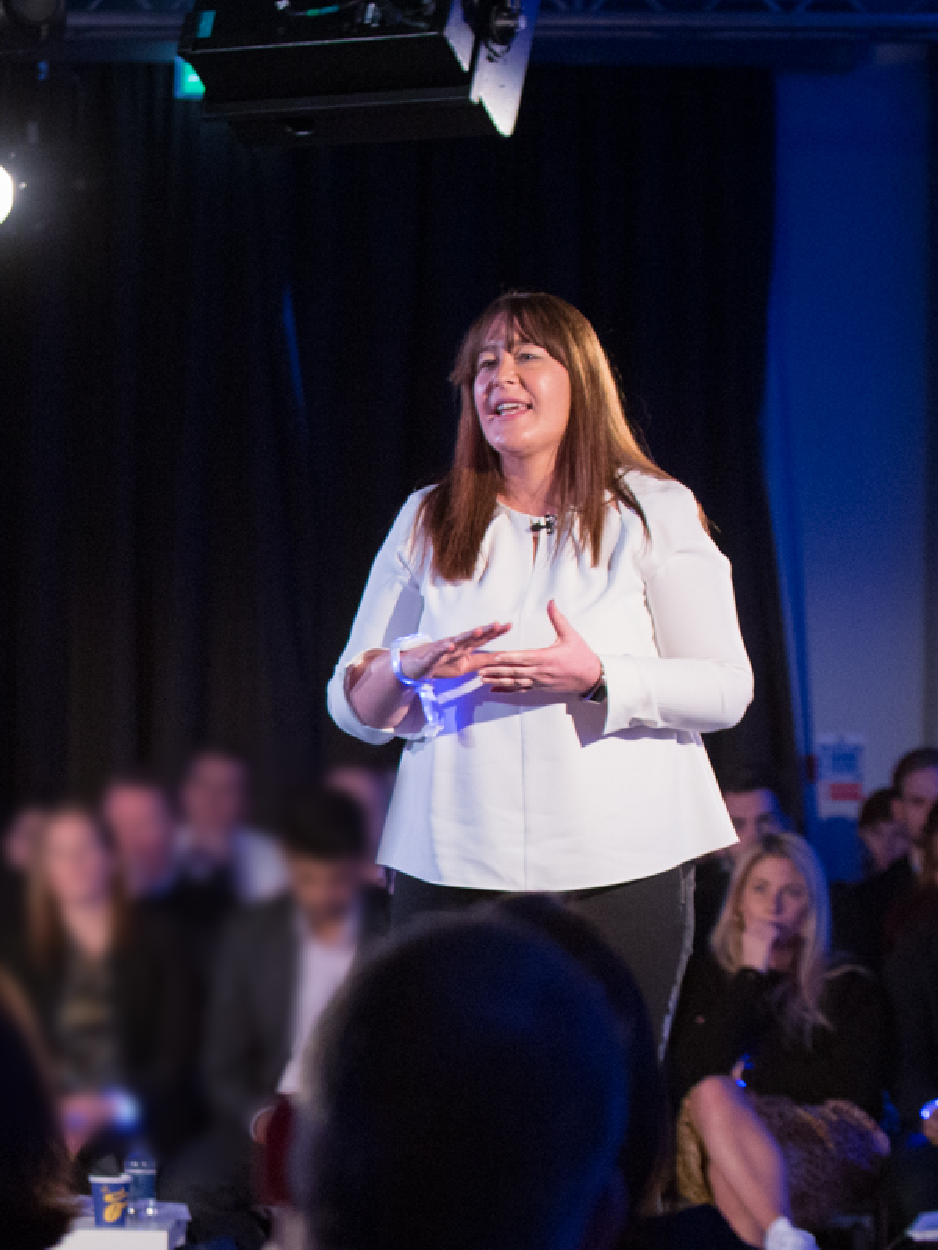
Our very own Sally-Ann Edmonds and Holly Hammond have run presenter workshops and supported speakers at hundreds of events over the years. Here are their top tips for leaving your audience wanting more.

Pre-event
We can’t say this enough: preparation is key to an exceptional presentation. And it’s always obvious to us which presenters have spent time preparing and which haven’t. Those speakers are memorable for all the wrong reasons.
If you take nothing else away from this article it’s that the better you prepare, the more confident you will feel.
Review the agenda
When you receive the request to present, the first thing you should do is get under the skin of the event. The organisers are likely to have a theme and an idea of where you fit into the narrative, so it’s always useful to scope out any key messaging.
“Wherever possible ensure your language echoes the event theme,” says Sal. “It might be one word or phrase, but if you can keep this in mind – or use it in your presentation – it can help the audience to connect the dots of the event.”
It’s also useful to familiarise yourself with the event running order. What comes before and after your talk? If you’re on after lunch, you might want to get the audience on their feet to inject some energy into the room in case attendees are feeling sluggish.
In addition, spending time on the links between your presentation and the ones before and after it creates a sense of connection and supports the event’s overall narrative.
Feel, know, do
Once you have a feel for the event, it’s worth getting specific about what you want to achieve. We often come back to the phrase ‘feel, know, do’ at Production bureau – for good reason:
- How do you want the audience to feel?
- What do you want the audience to know?
- What do you want the audience to do as a result of your presentation?
Knowing these things before you start writing your script will help you focus on the objectives of your presentation.
When I was teaching, we would focus on the ‘golden nugget’ of a lesson. What’s the one thing you want learners to take away? ‘Feel, know, do’ is the same. It helps you to focus on outcomes and takeaways so that the presentation doesn’t meander or become disjointed.
Holly Hammond, Senior Event Producer
Audience awareness
“Remember: it’s not your presentation; it’s the audience’s,” Sal explains. “They are the reason you’ve been asked to speak: to share information with them. Make sure you give them what they came for.”
Find out as much as possible about the audience and their level of knowledge before you start writing. If you’re presenting at an internal town hall meeting, for example, does the audience know the intricacies of what’s happening within the business? Do you need to give them some background or will they already know? Do they understand your language and terminology? If your presentation is unclear or impenetrable, your audience may switch off.
But, equally, don’t bombard them with too much information. Repeatedly ask yourself whether the details you’re providing help the audience to feel, do and know what you’d like and are aligned with the overarching objectives of the event.
Structuring your presentation
This is the final step before writing your presentation: building its structure. Consider the beginning, the middle and the end and how they fit together.
“To make your talk really memorable, introduce the audience to what you want them to know, explain what they need to know and then close with a recap of what they now know,” advises Sal. “It keeps your audience engaged and following.”
Make sure the opening is attention-grabbing. Start with a question, refer back to a shared experience or address what you want the outcomes of the event to be. And then remember to sum up the key points of your presentation at the end.


Script before slides
Now you’ve completed the ground work, it’s time to work on your script. You don’t have to follow it word for word on the day, but it’s helpful to write all of your ideas down on paper. That way you can be sure you’ve covered everything and the flow works.
Don’t try to get the script right first time. Once you’ve got the ideas out of your head, you can start arranging them into the order you want.
Weave in some words and phrases from the core event narrative as you go, and remember to add transitions at the beginning and the end. This doesn’t mean that you stop speaking like yourself, but that you’ve given the key points consideration.
If it’s appropriate to the audience and content, include a little humour. Think about how you could add something at the beginning to break the ice and then at the end to wrap up.
And don’t forget to include case studies.
“Stories are more memorable than data,” Holly says. “If you can show your work or products have had a positive outcome, consider telling that story. People relate to and remember stories in a way they don’t with solid facts.”
Once you have all of that mapped out and written down, you can start on your slides. It means you don’t have to rewrite or edit too heavily because the script is almost done.
“Less is more,” Holly adds. “Keep slide text to a minimum. And if you don’t need words to support your presentation, don’t include them at all. The risk is that the audience stops listening because they’re reading what’s on the screen. Your presentation will be more memorable if you use a great image to illustrate the point and talk around it.”
When I have to speak at an event, I know that if I can get through the first minute, everything else will fall into place. I have a few cue cards with bullet points as a prompt, but I like to have some spontaneity when I’m on the stage.
Sally-Ann Edmonds, Joint Managing Director
Rehearse
With the script and slides ready, it’s time to practise. Familiarise yourself with what you’re going to say, as well as how you’re going to say it, so it feels natural on the day. Try moving around the room too. Staying rooted to the spot can look wooden, so get comfortable with movement.
Rehearsing will also give you the opportunity to spot what’s working and what’s not. If you find yourself stumbling over a slide or an idea, you may need to change or remove it. It’s best to do this as far in advance as you can so that you’re confident with the edited version. Plus, it will allow you to see if your presentation is too long or too short.
If you can, try to record yourself so you can see how you look and sound. It may make you cringe initially, but it’s a great way to review how you come across. If that’s not possible, try practising in front of a mirror and noticing your body language.
Of course, it is possible to over-rehearse. You don’t want to sound robotic on the day, so try not to become obsessed with being word perfect.


On the day
Your presentation is almost here but there are a few last-minute steps you can take to prepare yourself for the spotlight.
Scope out the venue
If you can, visit the room where you’ll be speaking. It’s even better if you can get onto the stage. Familiarity will give you confidence when you step in front of the audience for real.
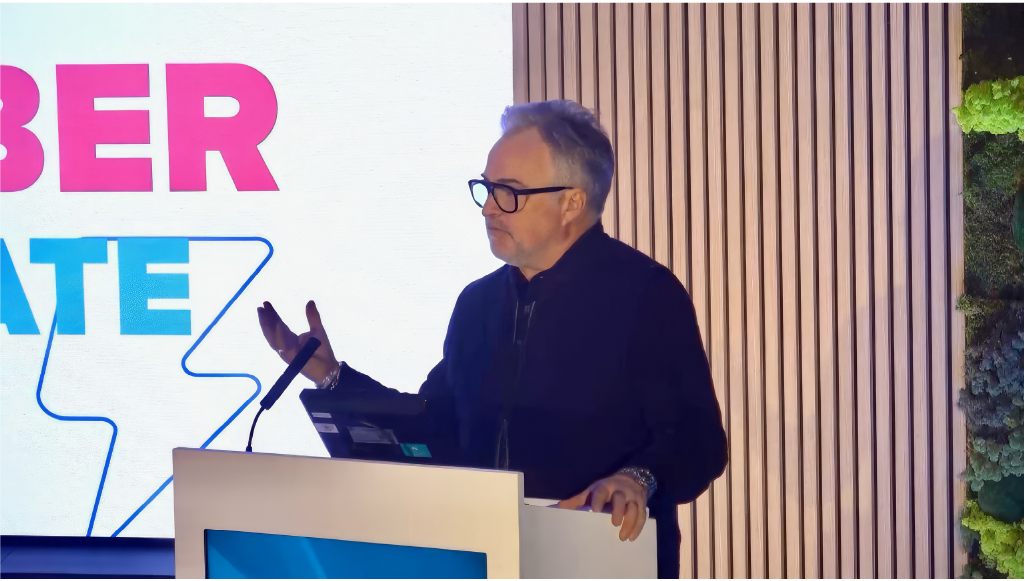
“Wherever we can, we allow speakers to experience being on the stage in advance,” says Holly. “It gives them an opportunity to feel the space, spot where the cameras are, get comfortable with the lighting and how many strides it takes to get across the stage. It means you won’t feel out of your depth on the day.”
A visit also means you can meet the production team. It can be reassuring to know who is looking after lighting, timings and slides when you’re on stage.
Warm up your voice and body
Before heading on stage, it’s helpful to loosen your vocal cords and face, so you move and speak naturally. Chewing gum can be a great way to start. It warms up the muscles of the face ready for speaking.
You can also try vocal exercises. Repeating ‘Mee, Maa, Mow’ and ‘Pee, Paa, Poe’ out loud will make sure your voice is ready.
“You can feel silly when you’re practising in a corridor, but it works,” says Holly.
If you’re feeling tense, shake out your body and do some stretching exercises so you’re ready to move naturally and confidently across the stage.
It’s totally natural to feel nervous before speaking. I’d actually be more worried if you weren’t nervous. You’re out of your comfort zone and you want to do a good job. If you weren’t nervous, you would be very unusual!
Holly Hammond, Senior Event Producer
The main event
Body language
Stand up tall and remember to smile, no matter how nervous you are. And adopt a confident stance. Keep your arms loose and move them in the region of your belly button and use your hands as you would normally.
If you’re happy walking about the stage, be sure to stop talking before you move to add emphasis to your message and keep the audience focused.
Eyes up
Don’t look down at your notes or the floor if you can help it. If you’re uncomfortable making eye contact with the audience, pick a spot on the back wall of the room, just above the audience’s heads so you keep your gaze up. Only start making eye contact when you feel ready.
Stay focused
If you lose your train of thought or stumble for the next word, that’s okay. The audience doesn’t know your script. Take a deep breath, refocus and go again. If you need to anchor on one point, return to the lectern or take a look at your notes. Then move forward stronger and calmer.
“The audience wants you to succeed,” Sal explains. “No one wants to see you fail. Take a moment to regroup and then keep going. Nothing is that bad.”
Enjoy yourself


After the event
Review your performance
Ask yourself what went well, how you felt and what could’ve gone better.
If there’s a recording available, watch the footage and review how you did and whether your slides could be improved. These learnings mean that every presentation you give is better than the one before.
Phone a friend
Save your script
Get ready for your next live event
Being brilliant on stage and conveying your message to your audience is a critical part of any live event, and as part of any partnership with a client, we can offer support to make the maximum impact. Get in touch today to find out how we can ensure your event and your presentation hit the mark.