

Production bureau
August 18 2026 | 5 minute read
The Art of Hosting: How to deliver exceptional event experiences
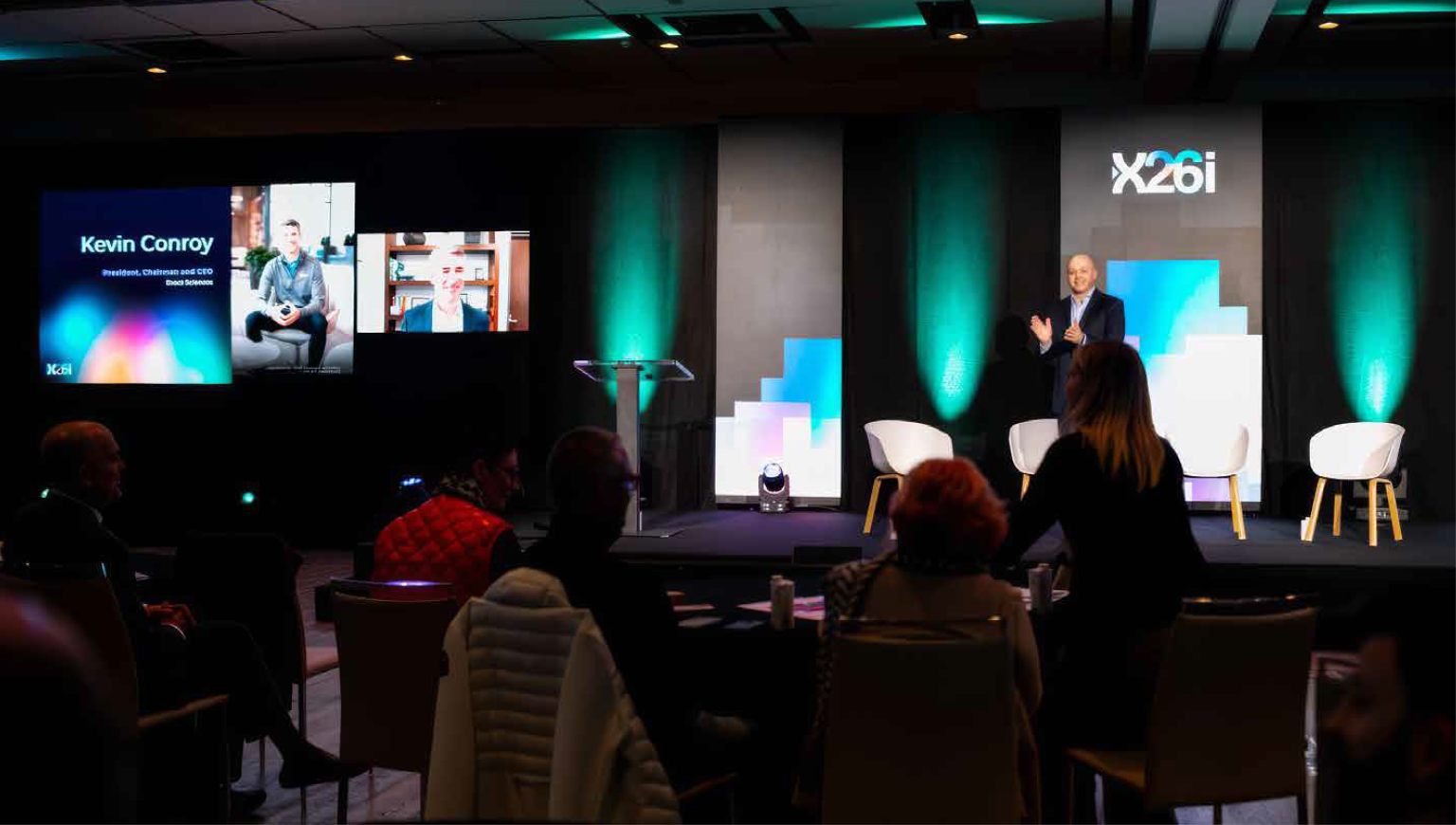
A good host can make all the difference to how an event is received. They set the tone, manage the energy in the room and keep everything moving.
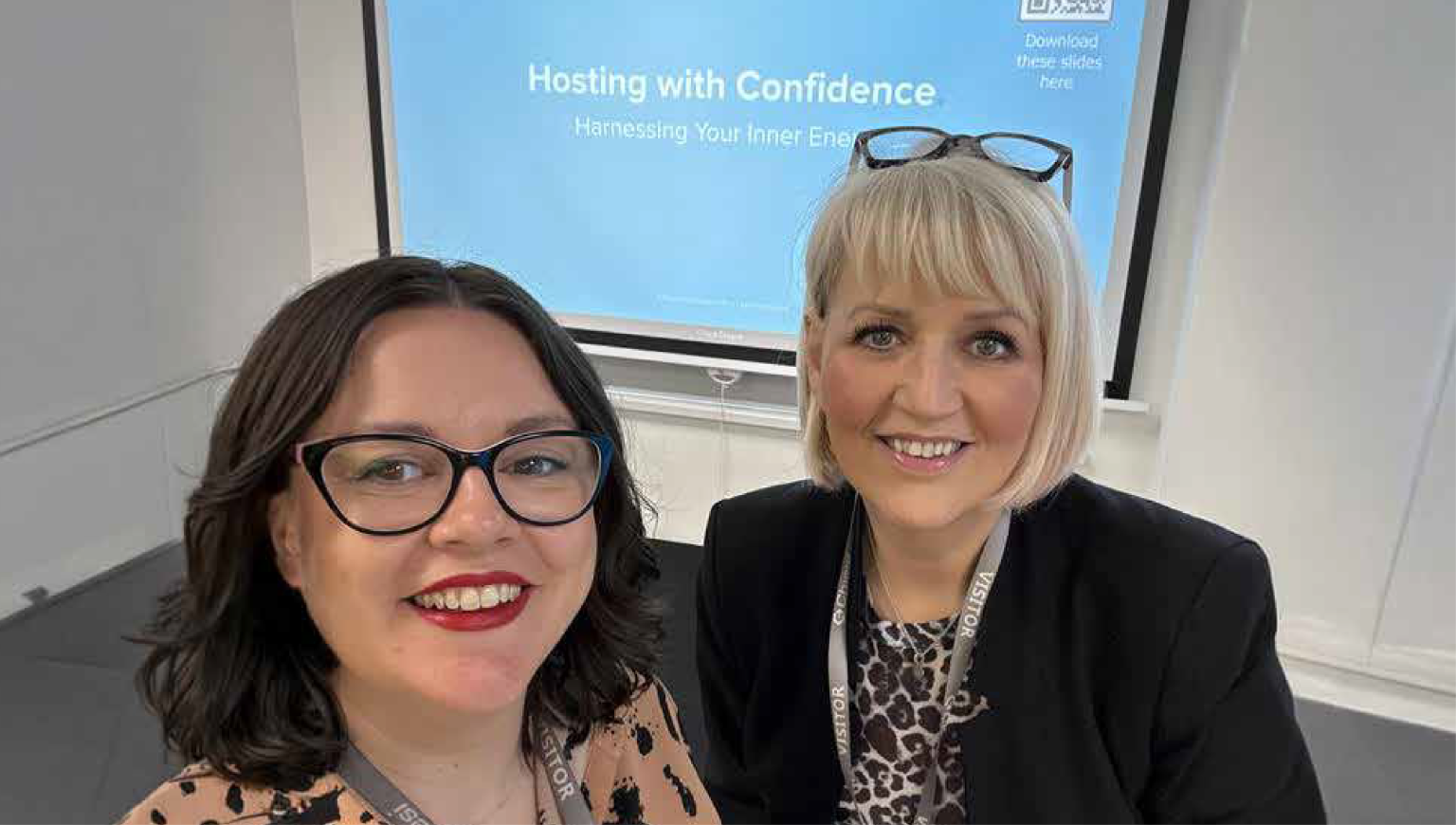
If you’ve been invited to be an event host and aren’t sure where to start, Sally-Ann Edmonds and Holly Hammond share practical tips from their own experience to help you host with confidence.
Prepare early
As with presenting, preparation is the key to success in a hosting role. It will help you feel comfortable, stay focused and remain calm if the unexpected happens. Here’s what you should consider in the weeks and months leading up to the event:
Meet with the organisers
Before doing anything else, take some time to discuss the event with its organisers so you understand their vision.
- What is the purpose?
- What is the overarching narrative?
- What should the audience feel, know and do?
- What do they see your role as?
- Will there be a panel discussion?
Remember: being the host is not the same as being a presenter. You are there to facilitate the event and keep things running smoothly.
Know the audience
Think of the host as the conductor of an orchestra. Your job is to bring all of the different elements of an event together, giving the audience guidance and making it clear what’s expected of them. Being clear on the organiser’s vision will make that easier.
Sally-Ann Edmonds, Joint Managing Director
Set the agenda
Ask the organisers for a detailed agenda or running order for the event. Not only will it tell you who’s speaking and when, but it will allow you to understand the rhythm of the day. For instance, knowing when coffee and lunch breaks fall will help you to plan how to get people focused again.
“If you spot something in the schedule that causes concern, such as a potentially low-energy talk right after lunch, raise it with the organisers rather than trying to fix it yourself,” adds Sal.
Spend time with the speakers
Hosts are more authentic when they’re familiar with the people they’re introducing. Do plenty of research on the speakers and their talking points. If you can, meet them beforehand to discuss their presentations and become familiar with their messaging so you can introduce them well and reinforce any key takeaways.
Start writing
With lots of background information at your disposal, you’re ready to put together a script or notes for the day. You don’t have to know it verbatim, but it will keep you on track, especially if there’s a lot going on.
Start strong by giving everyone a warm welcome, building trust and explaining why the event matters. Let people know what’s coming, how the day will work and how they can get involved. Remember to factor in health and safety announcements too. And when you wrap up at the end, reiterate those points and how they can use what they’ve heard.
Create flow
Practise makes perfect
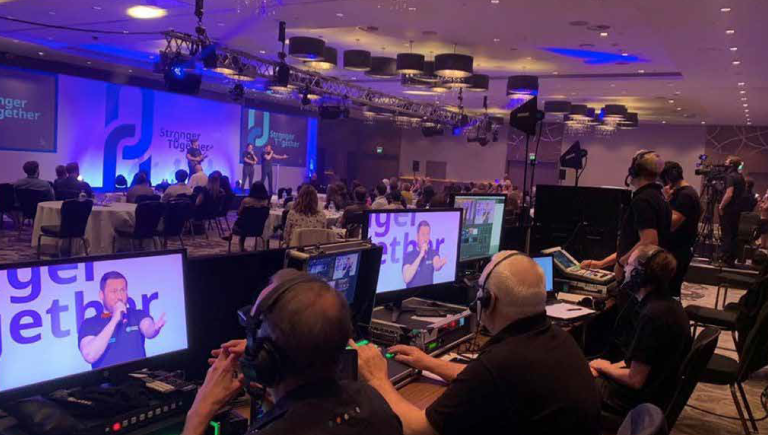
Meet the team
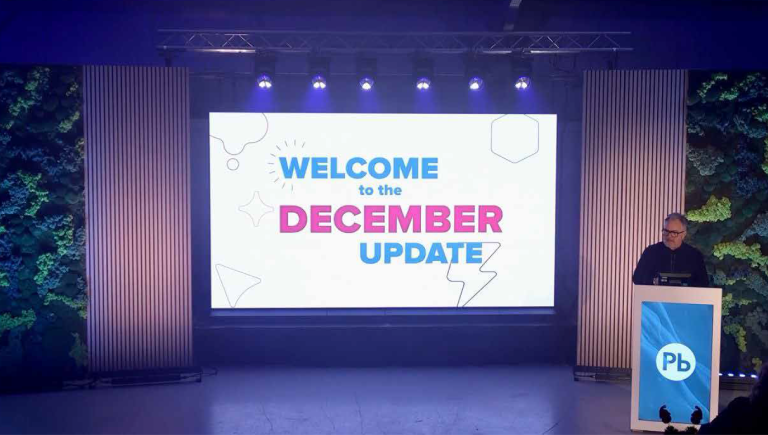
Get some plants
If you’re hosting a Q&A or panel discussion and want input from the audience, arrange some willing volunteers beforehand. This can help to break the ice and ensure no one feels too awkward to ask their question.
Often, once one person's asked a question, other people think it’s okay. It feels psychologically safer than being the first person to raise a hand.
Holly Hammond, Senior Event Producer
Dress for the occasion

On the big day
Stay present
To be really effective, you need to listen to every presentation, take notes to help with the transition between speakers, monitor audience behaviour and react to what you’re seeing.
“Don’t give yourself too much to do on the day,” says Holly. “Being a host is a big job. Try to give yourself as little extra to do as possible to make sure you fulfil your role to the best of your ability.”
“This also allows you to read the room,” Sal adds. “If you can see people are on their phones, that’s when you might want to pull their attention back. Or if they’ve been sitting down for a little while, get them on their feet. That is part of your role as a host.”
Keep an eye on the schedule
One of your biggest responsibilities is keeping the event on track. If attendees think that a presentation is going to overrun and they’ll miss their next session, they’re likely to sneak out or feel distracted, so try to keep things moving. Equally, if a session finishes early, you may need to improvise to fill some time or prepare to break early.
Adjust your tone
If the subject matter of two consecutive sessions is wildly different, smooth the transition. Help the audience to adjust to the new topic so it feels continuous and considered. For instance, you might invite them to reflect on what they’ve just heard, or lay the groundwork for a serious conversation.
Panel sessions
As the host of a panel discussion, make sure everyone gets their chance to speak. Prepare questions for all participants but try to make the session feel like a conversation. Invite panel members to respond to each other as well as yourself. And have a few phrases up your sleeve that will allow you to interrupt or cut people off politely.
Sal explains: “You could say: ‘That’s brilliant, thank you, John, that was really interesting. Now I’d like to move on to Jane, because what I’m interested in is…’.”
Body language
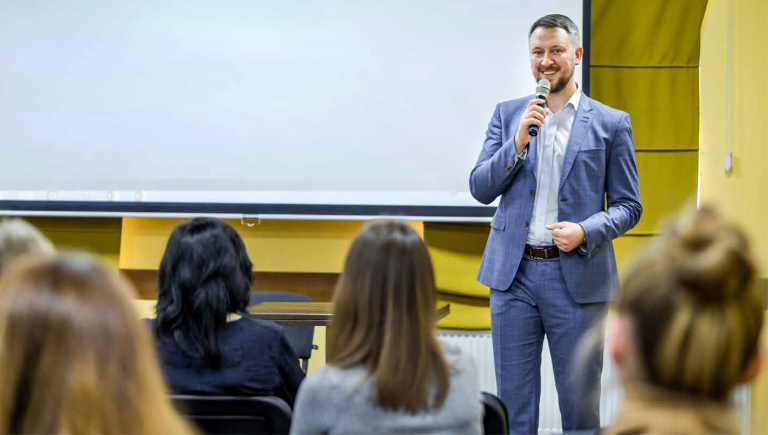
As the person leading the event, make sure you keep the energy up and the audience engaged. Move around the stage, use your arms and hands to emphasise points in a natural way. And don’t forget to smile and make eye contact.
Stay hydrated
It might sound obvious, but make sure you have a drink to hand throughout the day. In the midst of the excitement, it’s easy to forget to make time for yourself but hydration and snacks will help you maintain focus.
After the event
Wrapping up
When the event is over, thank the organisers for inviting you to be involved. Also complete any follow-up actions you said you would take, such as sharing any slides or resources that might be useful to attendees or speakers.
Remember to reflect
To help yourself improve as a host, spend some time thinking about what you might do differently next time. For instance, was there anything you misjudged? Or an instinct that served you well? Could you have let the conversation breathe at any point? How could you stretch yourself next time? Asking yourself these questions will enhance your performance even further at the next event.
Seek feedback

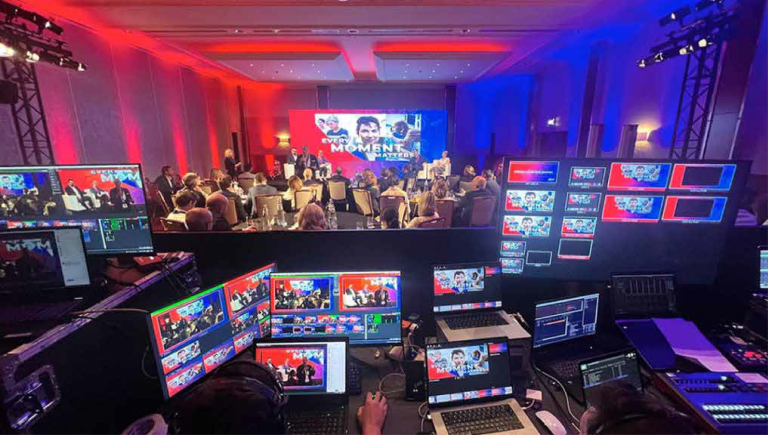
Need help planning your next event?
Production bureau delivers events of every shape and size, from production and set-up to on-the-day support. If your speakers or hosts need extra support, we can also run workshops to help them feel confident and ready for the stage. Get in touch to start planning today.